In 1557 the Portuguese liked a bay in southern China and decided to stay: a great strategic spot for trade between Asia and Europe.
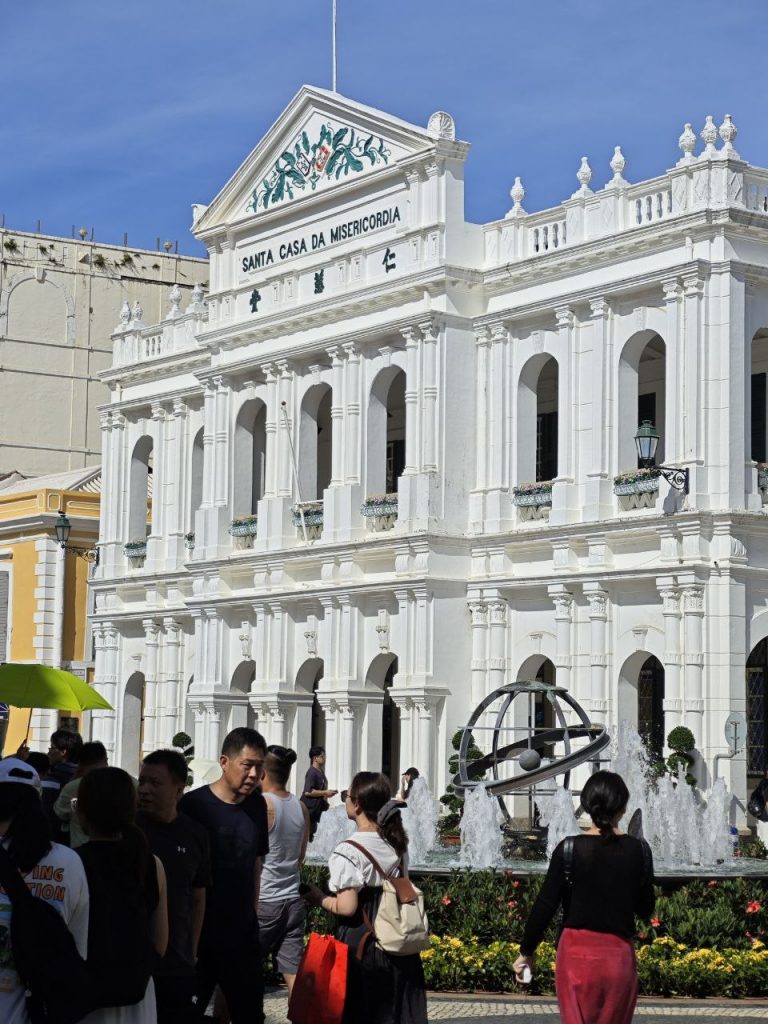
That is how Macau began, as one of the first European enclaves in Asia. Later the British settled next door, in Hong Kong.
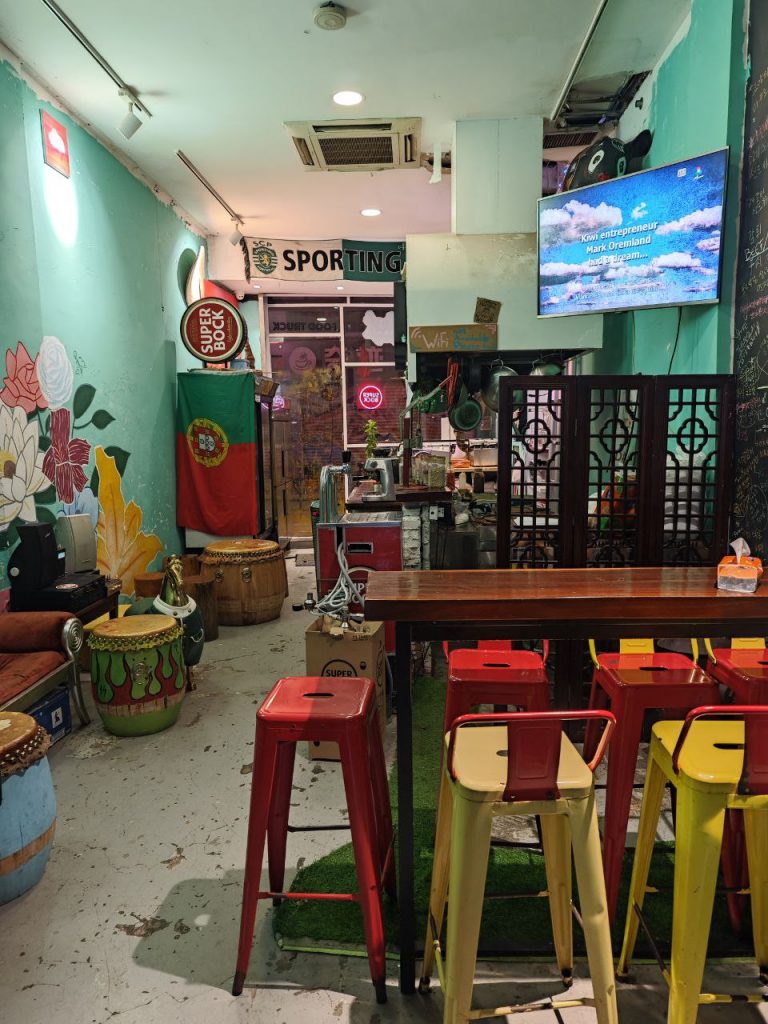
Portugal ruled for almost 450 years. In 1999 Macau passed to Chinese administration for 50 years, on the same principle as Hong Kong. The transfer came with a condition: Macau keeps its autonomy and everything the Portuguese set up, meaning its own government and borders, its own currency and taxes, a market economy, and Portuguese as an official language alongside Chinese.
The result is something like a mini-state inside China, with an expiry date of 2049.
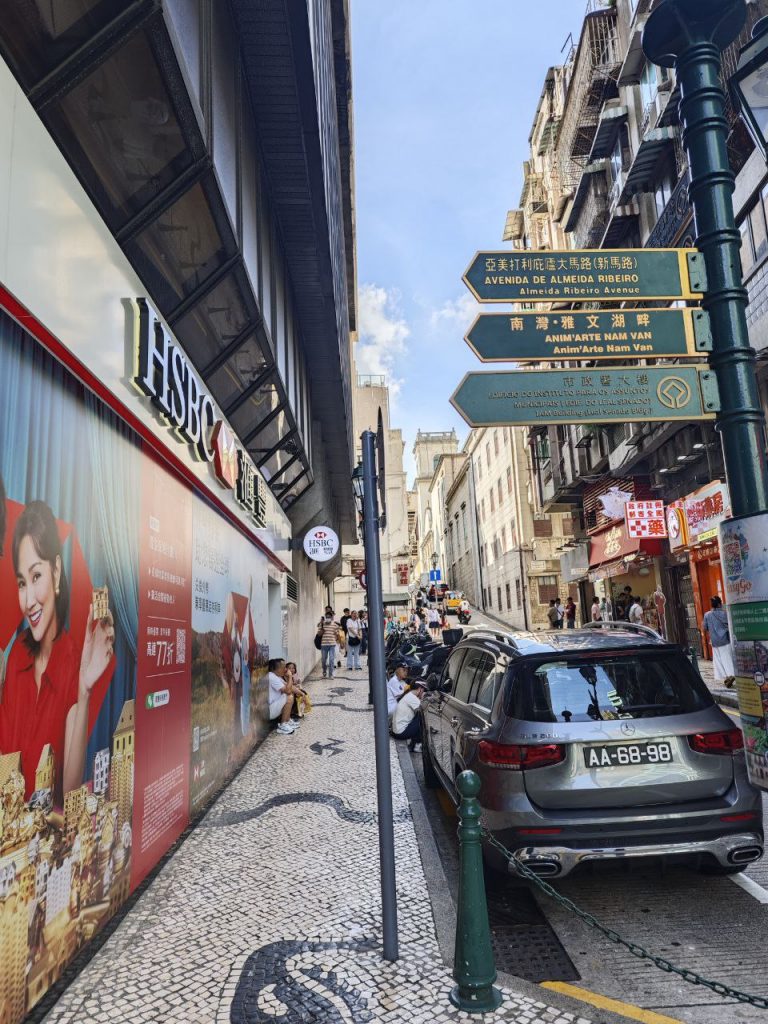
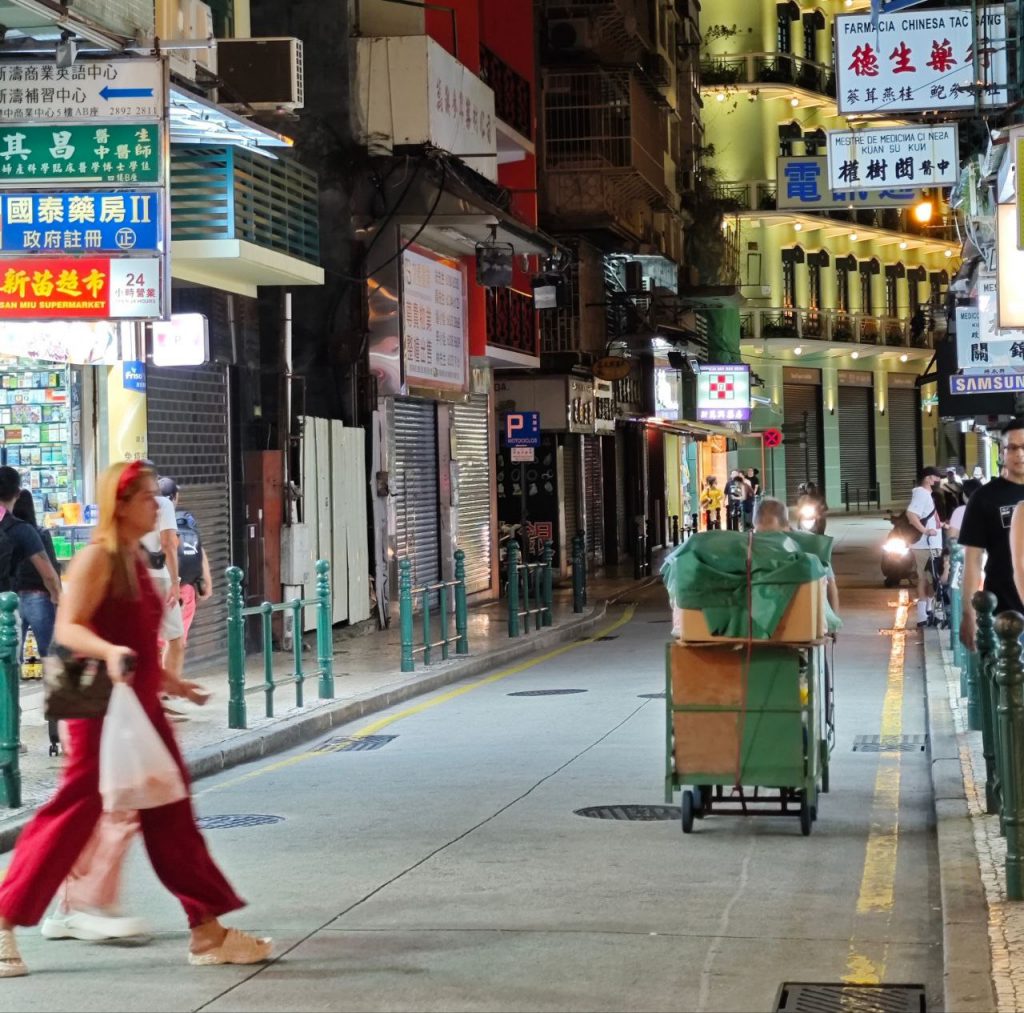
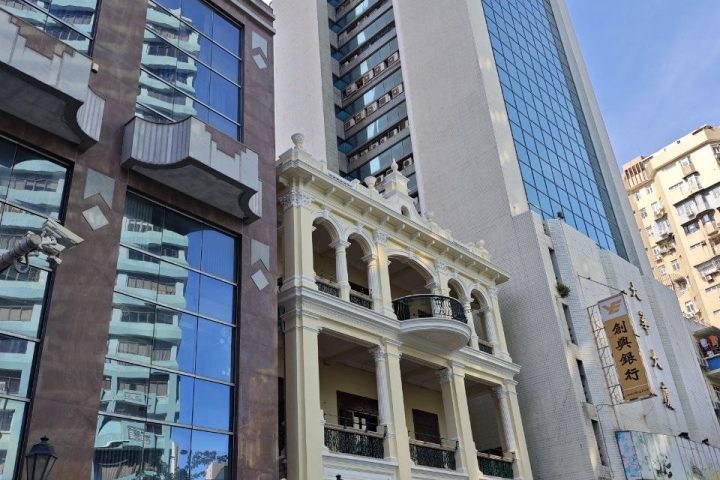
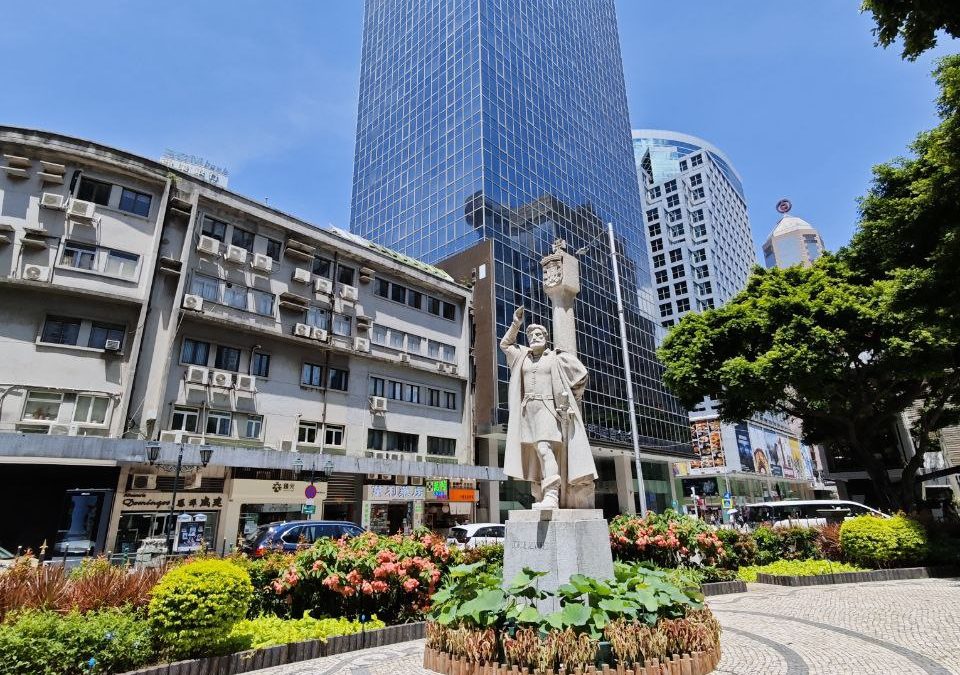
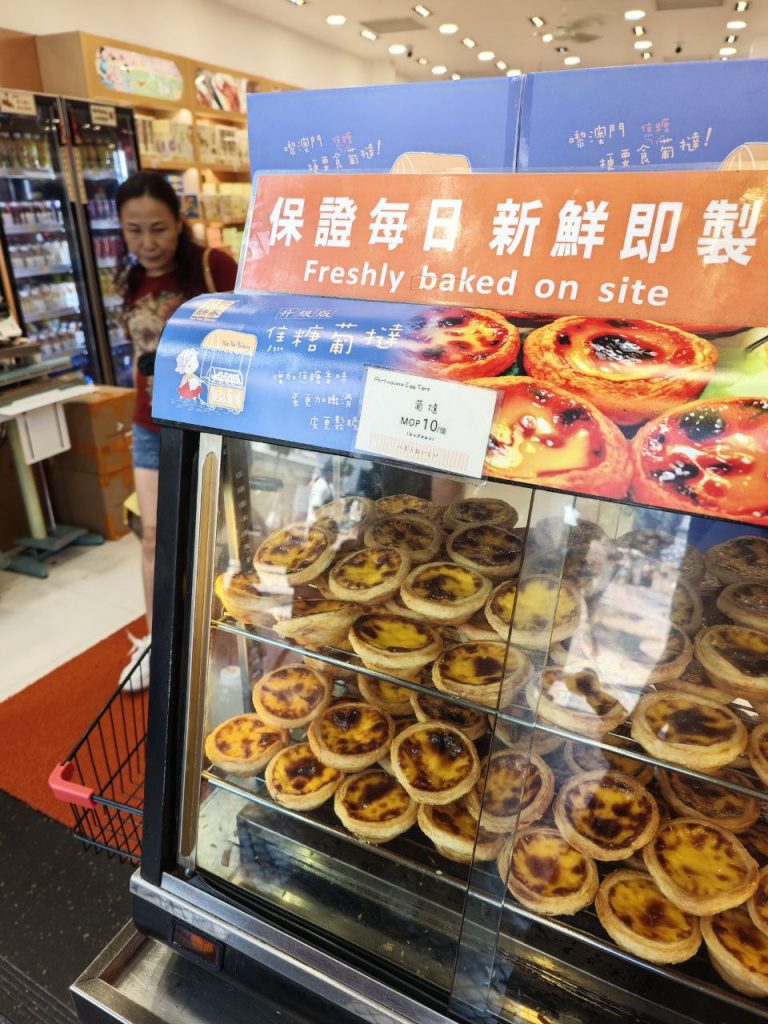
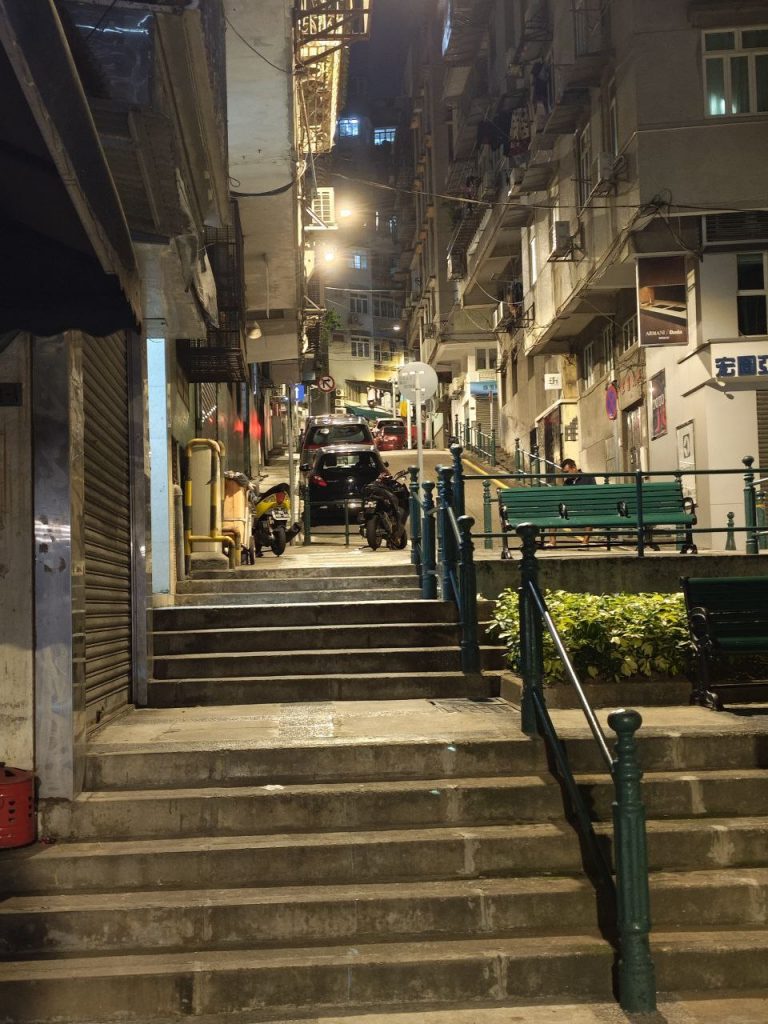
Today Macau still holds a mix of Portuguese towns: colonial facades, narrow cobbled streets, azulejo tiles on the houses and pastéis de nata (flaky Portuguese custard tarts). The Portuguese even seem to have picked a city like Lisbon, with the same hills and changes of height. The sheer number of stairs and slopes feels very Portuguese and is a workout for your legs. 😃
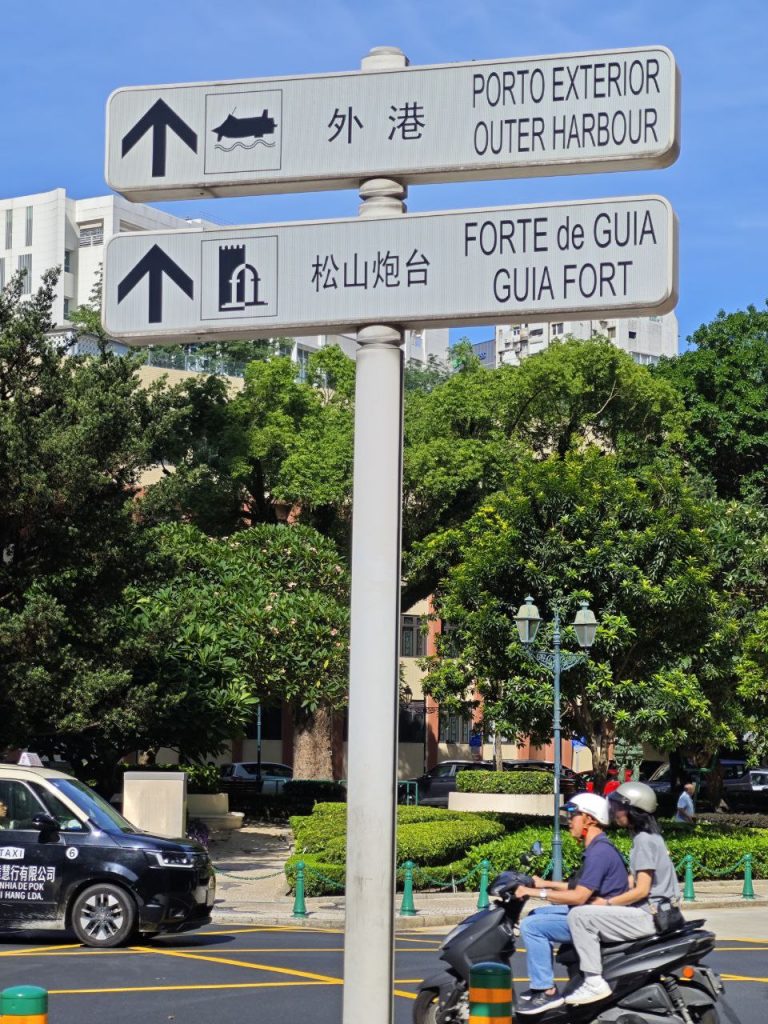
Whether Beijing will keep the authenticity of the city is unclear. For now the emphasis seems to be on building skyscrapers and new casinos. So if you want to catch the Portuguese Macau while it lasts, it is better to go now.
What happens after 2049
Formally, Macau is to be fully integrated into the PRC: laws, economy and government will become the same as in mainland China.
In practice, it all depends on Beijing's political will.
If it pays off, "one country, two systems" may be extended as a tool of soft power, and for the sake of marketing, image and money.
If Beijing decides it does not need a fully free market economy and democracy, Macau will become an ordinary Chinese city by 2049, with whatever position the country holds by then.
Hong Kong's experience shows that tight integration can start earlier.